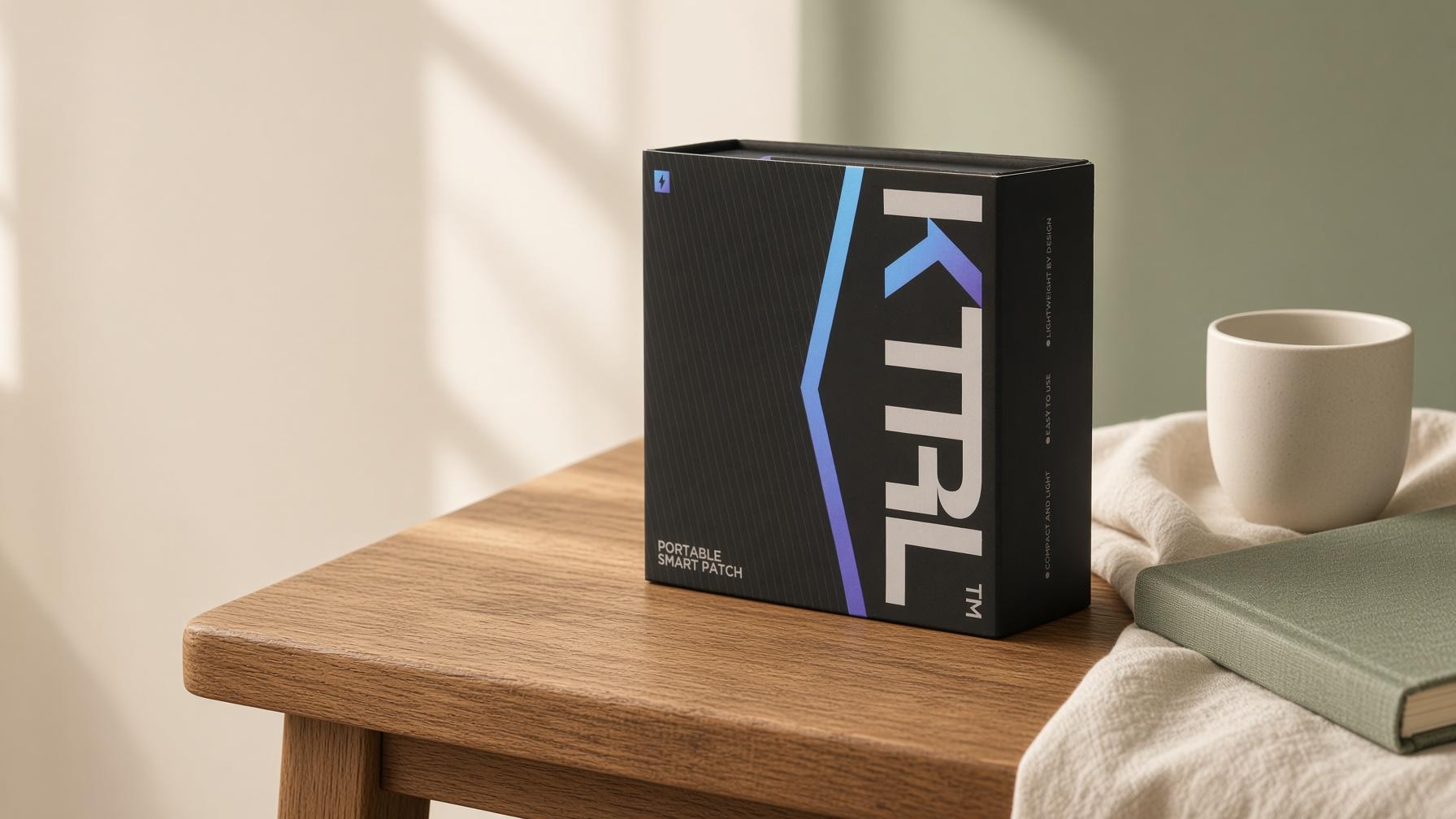
Continued use of KTRL means choosing to use a new patch on another occasion, within the product's instructions. It does not mean keeping one patch for later, following a proven treatment course or expecting improvement after a set number of sessions. The product information reviewed for this article does not establish a frequency, improvement timeline or lasting benefit after stopping.
That leaves a practical question worth answering: what would make continued use worthwhile for you? The answer starts with separating the experience you enjoy now from a change you hope will develop over time.
In this article
- One session, repeated use and after stopping
- How often should you use KTRL?
- Deciding whether to continue
- What would establish lasting improvement?
- When the concern is still there
- Making a product choice without a treatment promise
- Sources
One session, repeated use and after stopping
“It felt different”, “I have used it several times” and “the change remained after I stopped” describe different situations. Putting them under one broad label such as “better control” makes it difficult to know what actually changed.
What you notice during one session
KTRL Portable Smart Patch, model WDC201, uses controlled electrical pulses to create rhythmic physical sensation through skin contact. Whether you notice that rhythm, enjoy it and want it as part of an intimate experience are useful personal questions. They do not automatically answer a question about erection firmness or when ejaculation happens.
A person might value the sensation without noticing any timing change. Someone else might decide the feeling is not for them. Neither person needs to turn that preference into a claim about a lasting change in sexual function.
What you notice across different occasions
Repeated use gives you more occasions to describe, but the occasions are not necessarily comparable. The activity, expectations, relationship context and other circumstances may differ. Noticing a change over time does not, on its own, show that the patch caused it.
If “control” is the outcome you care about, say what you mean: choosing to pause, feeling able to communicate, or ejaculation happening later. Those are not interchangeable measurements. Feeling more familiar with a product's routine is also different from demonstrating an improvement in bodily function.
What happens after you stop using it
A claim that an improvement remains after use ends needs evidence from the period after stopping. Observations made only while a device is being worn cannot establish that claim. The materials reviewed here do not establish a lasting KTRL effect after discontinuation, so there is no supported duration to promise.
How often should you use KTRL?
The current KTRL user guide does not provide a daily or weekly regimen, a minimum number of sessions or a treatment course for improving control. Its instructions should not be converted into a schedule by guesswork. A missing frequency recommendation is not permission for unlimited use.
The 30-minute maximum concerns cumulative powered-on time during one session. It does not establish how many sessions are appropriate in a day or week. It also does not mean that you should aim to complete 30 minutes each time.
If frequency or suitability is unclear, clarify the instructions before another use. Product support can explain the supplied guidance; a qualified healthcare professional should address a health concern. Neither a purchase decision nor a general article replaces the product's do-not-use conditions.
Does a three-patch pack mean a three-session course?
No. The Single Patch and 3-Patch Pack options describe quantities. A pack of three does not establish three consecutive days, a clinically tested course or a threshold at which results should appear. Buying a pack also does not oblige you to use every patch.
Deciding whether to continue
You can make a choice based on sensory preference, preparation, cost and whether the routine suits you. These are legitimate reasons to consider a consumer product. They do not require a promise that each use will build towards a different physical outcome.
For example, someone might say, “I liked the rhythm, and the format fitted what I wanted.” Another person might say, “I was mainly hoping for a timing change, so the experience did not meet my expectations.” These are illustrative situations, not customer testimonials. They lead to different purchasing decisions without proving or disproving a clinical effect.
If you want to reflect afterwards, a short note is enough:
- What did I actually notice, separate from what I hoped would happen?
- Did I want the sensation and freely want to continue?
- Is there an unresolved instruction, symptom or health question?
There is no requirement to keep trying until a particular result appears. Nor does uncertainty mean you need a larger pack. You may decide that the added sensation is worthwhile, that it is not, or that you would rather stop considering the product.
What would establish lasting improvement?
A useful long-term claim would need to define the product, the people studied, the schedule, the outcome and when that outcome was assessed. “Better control” would need a clear meaning. A comparison would help distinguish the product's effect from other changes, and follow-up after stopping would be necessary for a claim about persistence.
These are questions to ask of evidence, not a description of a KTRL trial. The sources reviewed for this article establish product handling and its described sensory function; they do not provide a product-specific study demonstrating accumulated improvement in ejaculation control or erectile function.
A recommendation for another electrical device, a behavioural technique or a medicine cannot supply the missing KTRL schedule. The intervention, purpose and evidence would need to match. Likewise, “use as directed” explains how to follow instructions; it does not establish a long-term benefit that the instructions have not measured.
When the concern is still there
If your reason for continued use is a persistent ejaculation concern, treat that as a separate healthcare question. The NHS guidance on ejaculation problems recommends seeing a GP for a persistent problem. It describes several possible approaches according to the concern; buying more sensory patches is not a substitute for that assessment.
Similarly, the NHS advises seeking help for erection problems that keep happening. You do not need to complete a pack or prove that the difficulty occurs in every situation before discussing it. Outside the UK, contact an appropriate local healthcare professional.
Stopping use does not diagnose a problem, and deciding to continue does not show that one has been treated. Keep the health question separate from whether you personally enjoy the added sensation.
Making a product choice without a treatment promise
KTRL's compact, self-contained format offers a particular sensory experience without a charging routine or separate controller. You can review the product details and pack options if that format interests you. Choose according to what the product describes and what you want from it, without treating repeated purchases as a route to a guaranteed future result.
Use boundaries: WDC201 is a non-medical, single-use consumer electronic product for men aged 18–60, inclusive, for external skin-surface contact only. Follow all contraindications and instructions. Each patch must not be reused in another session. The maximum is 30 minutes of cumulative powered-on time in one session; switched-off intervals do not count, and restarting does not reset the total. Track it yourself. Stop immediately and remove the patch as directed for pain, stinging, burning, redness, itching or other noticeable discomfort. If symptoms persist, do not resume use and seek qualified advice.
Sources
- KTRL. KTRL Portable Smart Patch. Sensory function, format and pack quantities.
- KTRL. KTRL Patch User Guide. Intended users, single-use rules, cumulative powered-on time and restrictions.
- NHS. Ejaculation problems. Advice on persistent concerns and assessment.
- NHS. Erectile dysfunction (impotence). Advice on recurring erection difficulties.
Sources checked on 23 October 2026. The absence of an established regimen or lasting benefit in these materials does not prove that every possible effect has been ruled out. It means those materials do not support a promise. Clinical sources provide general healthcare information, not evidence of KTRL's effectiveness.