Low libido means lower interest in sexual activity, fewer sexual thoughts or fantasies, or less motivation for sexual contact than is usual or wanted for that person. It is about desire, not automatically erection ability. A temporary lower-interest period is not necessarily a disorder.
Low compared with what?
There is no universal “correct” amount of sexual desire. Some men think about sex often; others less often. Interest can vary across age, life stage, health, stress, relationship context, and opportunity.
Use your own baseline
The meaningful comparison is usually your own baseline:
· Has your interest changed from what is normal for you?
· Is the change brief or persistent?
· Does desire appear in some contexts but not others?
· Are you personally bothered, or is the main issue a difference between partners?
· Are erection, orgasm, mood, energy, sleep, or physical symptoms changing too?
EAU guidance defines male hypoactive sexual desire disorder through a persistent or recurrent deficiency or absence of sexual thoughts, fantasies, and desire, while emphasizing that clinicians consider age and a person's general and sociocultural context.
That is different from labeling every quiet period as a disorder.
Low libido and erectile dysfunction are different
Libido answers, “Do I want sexual activity?” Erection answers, “Can I get and keep the firmness I want?”
A man can have:
· low desire with normal erection capacity;
· strong desire with erection difficulty;
· low desire and erection difficulty at the same time; or
· erections that occur spontaneously without current sexual interest.
An erection does not prove desire or consent. A lack of erection does not prove lack of attraction. For the complete map, read Erection, Arousal, Desire, Ejaculation, and Orgasm Are Not the Same Thing.
Desire can be spontaneous or responsive
Spontaneous desire
Some people experience desire as a spontaneous thought: “I want sex.”
Responsive desire
For others, interest emerges after affection, privacy, touch, or emotional connection begins. This is sometimes called responsive desire.
That difference can create confusion in a couple. One partner may wait to feel desire before initiating; the other may become interested only after low-pressure closeness starts. Neither pattern is automatically wrong.
The practical question is whether the current pattern works for you and your partner, with consent and without pressure.
What can be associated with lower desire?
Desire is not controlled by one switch. EAU guidance lists biological, psychological, medication-related, and relationship factors that may contribute. Areas a clinician may review include:
· stress, anxiety, depression, or another major life strain;
· relationship conflict or emotional distance;
· erectile or other sexual concerns that make sex feel pressured;
· chronic health conditions;
· hormonal or endocrine questions when symptoms suggest them;
· medicines, including some antidepressants; and
· fatigue, pain, and changes in overall health.
This list is not a self-diagnosis tool. It is a reason to avoid simplistic conclusions.
Is low libido always low testosterone?
No. Testosterone can be relevant for some men, but desire does not map directly to one hormone result. The EAU guideline notes that sexual desire does not directly correspond to circulating testosterone levels, especially in older men, and recommends medical history, sexual history, and appropriate evaluation rather than assuming a single cause.
Do not begin testosterone, “boosters,” or supplements based on libido alone. A clinician decides whether symptoms and testing support an endocrine diagnosis, then discusses benefits, risks, and alternatives.
Temporary variation versus a persistent concern
More consistent with a temporary variation
More reason to seek support
A stressful or exhausting period
A sustained or unexplained change from your baseline
Desire still appears in some contexts
Little interest across contexts over time
The change is not distressing to you
Personal distress, avoidance, or loss of quality of life
Both partners can discuss it without pressure
Repeated arguments, resentment, or emotional distance
No other new symptoms
New mood, energy, physical, erection, orgasm, or medication-related changes
MedlinePlus recommends seeing a healthcare provider when sexual-function problems persist or cause distress for you or your partner.
When different desire levels create tension at home
Why a difference in desire can feel personal
A lower-desire partner may feel chased, graded, or guilty. The higher-desire partner may feel rejected or fear that attraction has disappeared. If neither says what is happening, both can begin defending themselves against an accusation the other person has not actually made.
A low-pressure conversation
Try:
“My interest has been lower lately, but I do not want you to interpret that as a verdict on your attractiveness or our relationship. I want to understand the context and find ways to stay close without pressure.”
The partner can respond:
“I miss sexual connection, but I do not want duty sex or a forced promise. Can we talk about what kind of closeness feels welcome and whether this change is bothering you too?”
Desire discrepancy is a relationship pattern, not proof that one partner is defective. EAU guidance notes that focusing on the discrepancy rather than blaming one person can be less stigmatizing.
A five-question review
1. Baseline: What was usual for me before this change?
2. Timeline: Did the change begin suddenly or gradually?
3. Context: Is desire different in solo, partnered, new, familiar, stressful, or relaxed settings?
4. Overlap: Have erection, orgasm, mood, sleep, pain, energy, or physical symptoms changed?
5. Impact: Am I distressed, or are my partner and I mainly struggling with different expectations?
Bring those answers to a professional if the concern persists. A medical review may include health history, mental health, relationship context, medicines, physical examination, and selective laboratory tests when symptoms support them.
What is the next step?
If the change is brief, non-distressing, and connected to an obvious demanding period, reduce pressure and observe. If it is persistent, unexplained, or creating distress, use When Does a Sexual Concern Deserve Professional Support?.
Most importantly, do not use libido as a measure of masculinity or love. Desire is a changing part of human experience, not a character score.
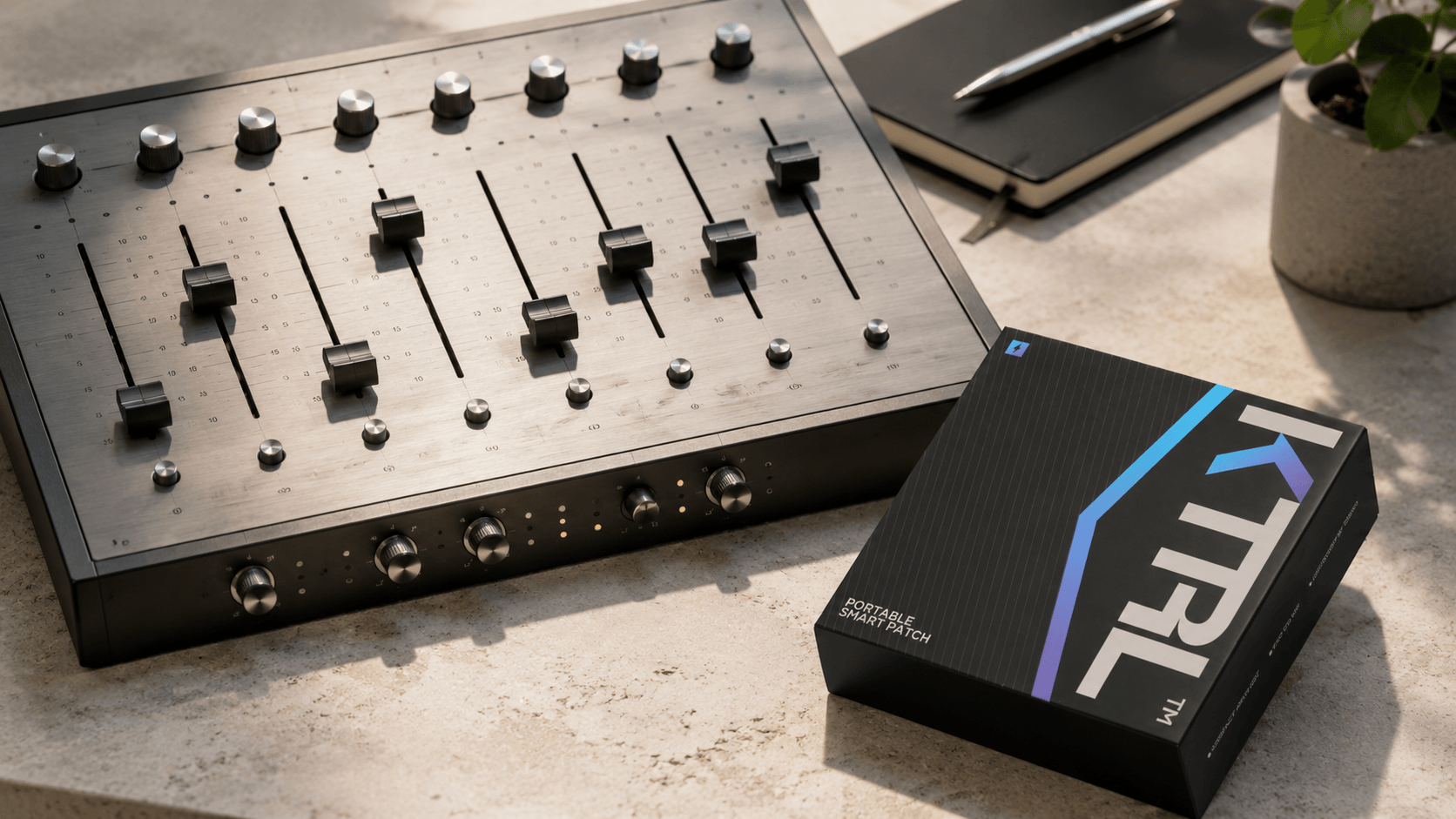
For practical, no-shame notes on male sexual confidence, timing awareness, and private routines, join the KTRL email list.
KTRL Portable Smart Patch is a consumer lifestyle product for adult external use; it is not intended to diagnose or treat a medical condition, individual experiences vary, and persistent or distressing concerns should be discussed with a qualified healthcare professional.