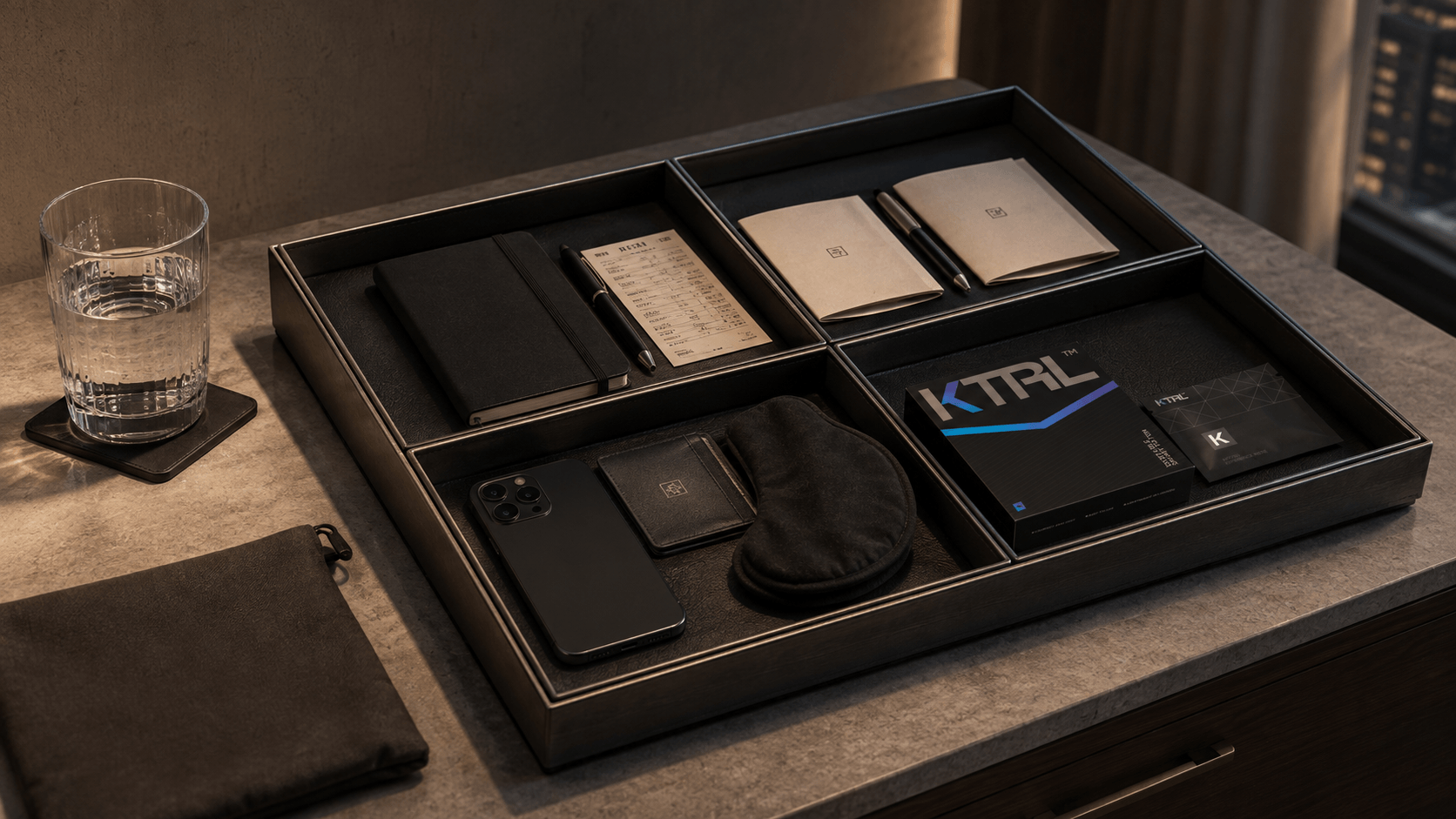
A discreet male wellness routine should match the job you actually need done. First separate recurring health concerns, pressure or relationship strain, everyday wellbeing, and optional sensory exploration. Then judge any product by its intended experience, instructions, privacy, cost, and consent. A routine should create choice—not become another test you must pass.
Start with the goal
A clear goal makes product comparison more useful. Begin by naming the situation, the kind of support you want, and the experience that would make a routine feel comfortable and deliberate.
Use a calmer starting point:
1. What changed? Desire, erection, ejaculation timing, comfort, confidence, or nothing specific?
2. What do I want next? Understanding, professional assessment, better communication, less pressure, or a deliberate sensory routine?
3. What would count as a good decision? More clarity, easier setup, privacy, shared consent, or simply choosing not to buy today?
If you are still unsure which domain changed, use the ED, premature ejaculation, low libido, or anxiety symptom map before comparing products.
Four lanes for a more honest decision
Your primary need
Best first lane
What that lane can provide
A persistent, sudden, painful, or distressing sexual change
Qualified clinical evaluation
Clarify the pattern and identify an appropriate care route
Shame, self-monitoring, avoidance, or relationship tension
Communication and qualified emotional support
Reduce assumptions and improve the quality of conversation
Sleep, stress, privacy, or everyday wellbeing needs attention
Basic routine and environment changes
Create a calmer and more practical setting for intimacy
You want optional sensory exploration
Product-fit evaluation
Compare intended experience, instructions, privacy, cost, and consent
More than one lane can apply. A man can arrange a medical appointment, talk honestly with his partner, improve sleep, and also decide whether an adult lifestyle product fits his preferences. Each lane has a distinct role.
Lane 1: when evaluation should come before experimentation
Recurring erection concerns can have physical, medication-related, emotional, and lifestyle contributors, according to NIDDK (NIDDK). Professional evaluation may use medical, sexual, and mental-health history, a physical exam, and selective tests (NIDDK diagnosis guidance).
Make evaluation the priority when there is:
· a sudden or persistent change from your usual pattern;
· pain, injury, numbness, or new urinary or neurological symptoms;
· a concern that began after a medicine or health change;
· substantial personal distress or repeated avoidance; or
· ongoing relationship impact that is becoming difficult to discuss.
Keep prescribed medicines unchanged until you have spoken with the prescriber, and make professional evaluation the first lane for identifying a health concern.
Lane 2: when the routine needs less pressure and more communication
Sometimes the problem is not a lack of products. It is that intimacy has acquired an invisible scorecard. One person worries about erection or timing; the other worries that a change means lost attraction. Both begin protecting themselves, and everyday affection becomes cautious.
Before adding technology, try defining a no-test evening:
· either person can pause without apologizing;
· affection does not have to lead to a particular activity;
· no body response will be used as evidence about love or attraction;
· preferences can be discussed before the moment; and
· a product, if used, is optional for both people.
A simple conversation can be enough to change the tone:
“I am considering a private wellness product because I am curious about how the experience could fit our routine. Would you like to read the instructions and decide together?”
Consent must remain active. A partner purchase should never arrive as a surprise “solution” to someone else’s body. If you are buying for a husband or boyfriend, invite them into the decision before checkout.
Lane 3: build the environment before adding complexity
A discreet routine is easier when the practical details are ordinary. Consider:
· Time: Is there enough time to read instructions and stop without feeling rushed?
· Privacy: Can the product be stored, used, and disposed of privately?
· Attention: Are phones, work notifications, and travel logistics likely to interrupt?
· Sobriety and judgment: Can everyone make clear, voluntary choices?
· Comfort: Is the environment calm enough to notice and communicate discomfort?
· Aftercare: Is there a simple plan to remove or dispose of the product as directed?
This is not about creating a perfect room. It is about removing avoidable friction. If the routine requires so many steps that you become more self-conscious, it may not be the right format.
Lane 4: evaluate optional intimacy technology by fit
Health-product marketing can blur lifestyle experience and health benefit. FTC guidance states that health-related claims need appropriate scientific support and that a disclaimer cannot rescue an otherwise misleading claim (Federal Trade Commission). A careful buyer should therefore read the nouns and verbs closely.
Ask what the product is, what physical experience it provides, how it operates, and what it explicitly does not claim to do.
The eight-part product-fit scorecard
Check
Question to ask
A green flag
Intended experience
What is the documented experience?
Concrete sensory or routine language
Claim boundary
Does it imply diagnosis or treatment?
Clear consumer-lifestyle positioning
Format
Single use or reusable? Wearable or handheld?
Format matches your preference
Setup
App, charging, cables, controller, topical formula?
Steps are disclosed before purchase
Session
Is there a stated time limit?
Instructions are easy to find
Privacy
What do packaging, storage, and disposal require?
Options and limitations are stated plainly
Cost
What is the total and how many sessions does it cover?
Per-session tradeoff is understandable
Consent
Can either person decline or stop easily?
No pressure or surprise use
Score each as fits, does not fit, or need more information. An unanswered safety or use question is a reason to pause, not an invitation to improvise.
A practical KTRL fit check
KTRL may fit an adult who wants a compact, single-session wearable that adds a rhythmic physical sensation to a deliberate private routine. According to the official KTRL product page, the patch uses controlled electrical pulses for an external skin-surface sensation and combines a single-use format, built-in non-rechargeable power, and self-contained setup with the printed guide.
KTRL may be a reasonable category fit when you value:
· a single-use session rather than reusable equipment;
· minimal, charging-free setup;
· a physical sensory cue as part of intentional pacing or timing awareness;
· a compact format for home or selected travel situations; and
· clear consumer-lifestyle positioning.
Readers who prefer reusable equipment, app-based controls, or a topical format can choose the category that matches those preferences. KTRL fit also depends on the intended user’s agreement and the safety conditions in the printed instructions.
For the full product-specific decision, read Where KTRL Fits: Timing Awareness, Sensory Rhythm, and a Deliberate Routine.
Different buyers should ask different final questions
First-time buyer
“Do I understand the sensation, session limit, instructions, and stop rule well enough to choose calmly?”
Returning buyer
“Am I choosing this because the format matched my routine, or because I am trying to force a different outcome this time?”
Partner buyer
“Has the intended user asked for this or agreed to review it before I buy?”
Traveler
“Can I store and transport the product according to the printed guide, and have I checked current carrier, security, and destination rules?”
Retailer or distributor
“Can I preserve the consumer-lifestyle positioning, instructions, age boundary, and claim limits throughout the sales channel?”
These questions make the purchase more personal without making it more promotional.
Your three valid next steps
1. Pause. If the concern is medical, unclear, or distressing, seek appropriate support first.
2. Learn. Join the KTRL email list for product facts, private-routine guidance, and no-shame education before deciding.
3. Evaluate KTRL. If rhythmic sensation, single-use simplicity, and deliberate pacing match your goal, read the official product details and verify current price, availability, shipping, and instructions.
No purchase is also a complete decision. The purpose of a good framework is to help you choose accurately, not quickly.
KTRL Portable Smart Patch is a consumer lifestyle product for adult external use; it is not intended to diagnose or treat a medical condition, individual experiences vary, and users should follow the printed instructions and seek qualified professional advice for persistent or distressing concerns.
Frequently asked questions
Does a discreet wellness routine need a product?
No. Privacy, time, communication, consent, and reduced pressure can form a complete routine. A product is optional and should have a clearly understood role.
Should I buy an adult wellness product for my partner as a surprise?
Not when the product would be used on their body. Discuss the idea, intended experience, instructions, and boundaries first. Their interest and consent matter more than the surprise.
When should professional evaluation come before a KTRL routine?
Persistent, sudden, painful, or distressing sexual-health changes deserve qualified professional evaluation. Once those health questions are appropriately addressed, KTRL can be considered for its intended private-routine experience.